TMJ Disorder
Temporomandibular Joint Disorder (TMJ)
TMJ disorder refers to a group of conditions that affect the temporomandibular joint (TMJ), which connects the jawbone to the skull. This joint is crucial for various functions, including chewing, speaking, and moving the jaw.
Types of TMJ Disorders
Myofascial Pain:
Pain and discomfort in the muscles that control jaw movement.
Internal Derangement of the Joint:
Displacement of the disc that cushions the jaw joint.
Arthritis:
Inflammation of the TMJ, which can be due to osteoarthritis or rheumatoid arthritis.
Symptoms
TMJ disorders can manifest in various ways, including:
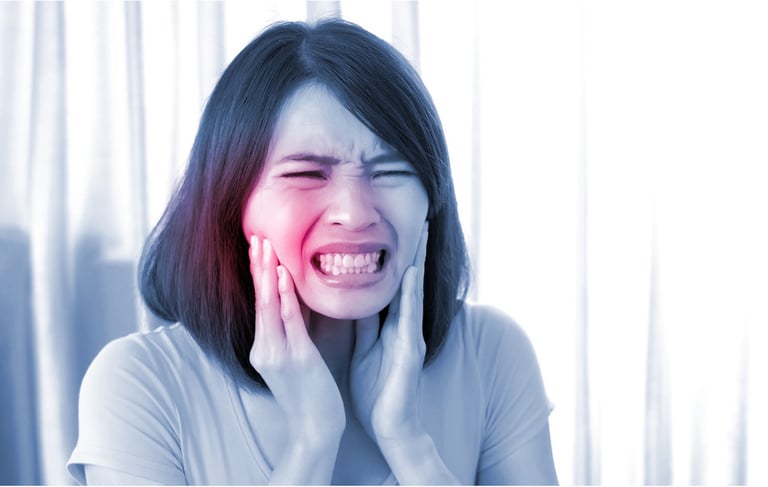
Jaw Pain: Pain in the jaw joint or surrounding areas.
Clicking or Popping Sounds: Noises when opening or closing the mouth.
Limited Jaw Movement: Difficulty in fully opening or closing the mouth.
Headaches: Frequent headaches or migraines.
Ear Pain: Discomfort in or around the ears.
Facial Pain: Pain in the face, especially near the jaw.
Neck and Shoulder Pain: Tension or pain in the neck and shoulders.
Why TMJ ?
Causes
TMJ disorders can arise from several factors, including:
Jaw Injuries: Trauma to the jaw or head.
Teeth Grinding (Bruxism): Grinding teeth during sleep or stress.
Misalignment: Bite issues or crooked teeth.
Arthritis: Joint inflammation due to various types of arthritis.
Stress: Increased muscle tension and jaw clenching.
Diagnosis
Diagnosis typically involves:
Physical Examination: Assessing jaw movement and tenderness.
Medical History: Discussing symptoms and any previous jaw injuries.
Imaging Tests: X-rays or MRIs to evaluate the TMJ structure.


We can help with TMJ
Treatment Options
Treatment for TMJ disorders may include:
Self-Care Practices: Heat/ice application, relaxation techniques, and dietary changes.
Medications: Pain relievers, anti-inflammatory drugs, or muscle relaxants.
Physical Therapy: Exercises to strengthen jaw muscles and improve mobility.
Dental Treatments: Mouthguards or splints to prevent teeth grinding.
Surgery: In severe cases, surgical intervention may be necessary.
Conclusion
TMJ disorders can significantly impact daily life, but with proper diagnosis and treatment, many individuals can find relief from their symptoms. Call us at 818-883-0007 or email us at office@woodlandhillssmiles.com


Our Location
Find us nestled in Woodland Hills, where comfort meets top-notch dental care tailored just for you.
Address
5348 Topanga Canyon Blvd Suite 102
Woodland Hills CA - 91364
Hours
Mon-Thu 8-5